
Dental Glass Ceramic Blocks for CAD/CAM Restorations
JINY dental glass ceramic blocks are designed for CAD/CAM crowns, veneers, inlays and onlays, offering an efficient solution for aesthetic dental restorations and wet milling workflows.
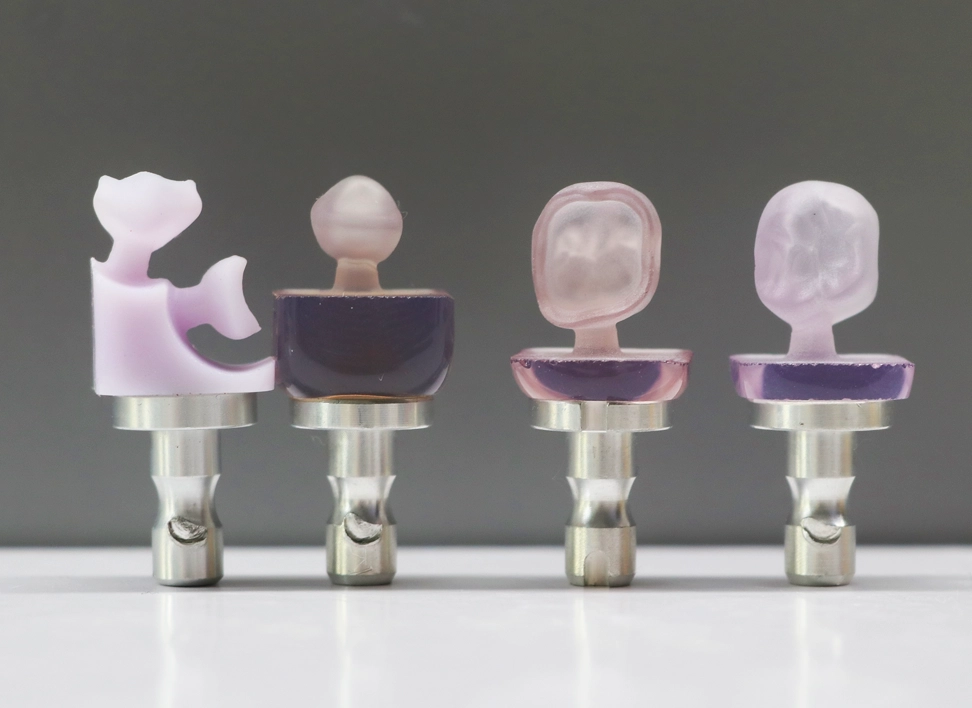
Glass Ceramic Blocks for Aesthetic Dental Restorations
Natural Aesthetics
Translucency and optical properties for aesthetic restorations.
Stable Margins
Designed to support clean restoration margins during proper CAD/CAM processing.
Digital Workflow
Suitable for CAD/CAM design, wet milling and finishing workflows.
Efficient Milling Performance
Optimized for smooth and reliable CAD/CAM milling, helping improve processing efficiency and reduce unnecessary finishing work.
Indications
Designed for dental labs handling crowns, veneers, inlays, onlays both wet milling workflows.
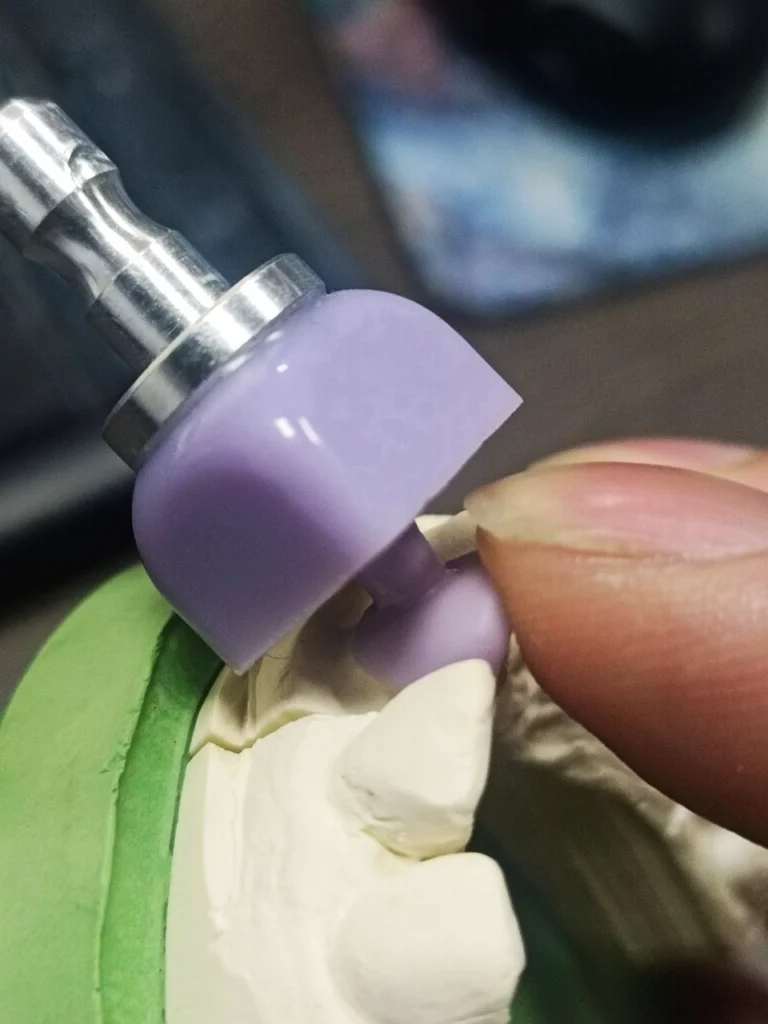
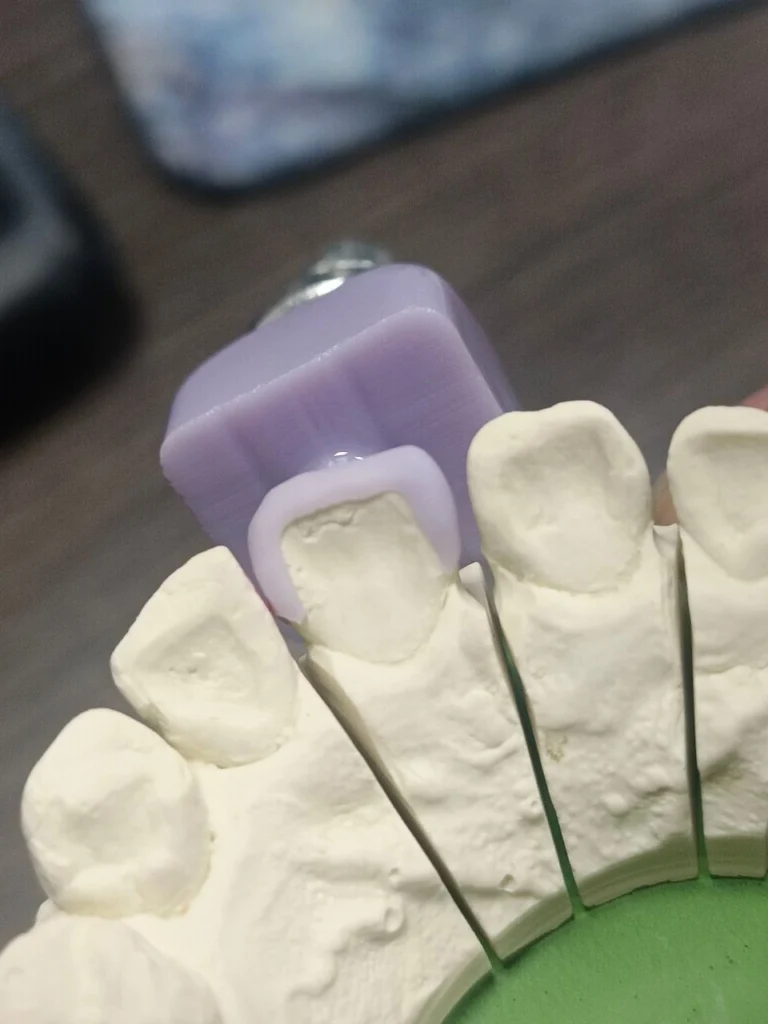
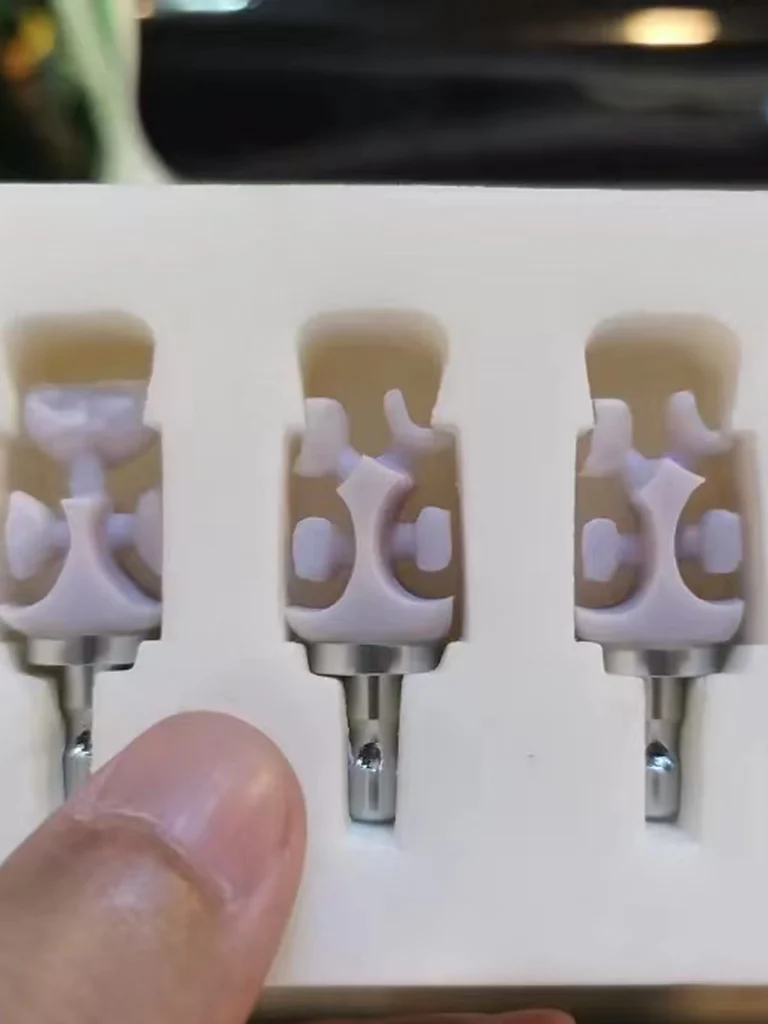
What are the differences between the JINY Glass Ceramics?
Technical Specifications
| Parameter | CAD CAM Blocks | Press Ingots |
|---|---|---|
| Density | 2.49g/cm3 | 2.49g/cm3 |
| Thermal Expansion (25-500℃) | 11.4 × 10⁻⁶/K | 11.3 × 10⁻⁶/K |
| Linear Shrinkage Rate | 0.25% | 0.09% |
| Vickers Hardness | 615 Hv | 645 Hv |
| Elastic Modulus | 75 GPa | 83 GPa |
| Flexural Strength | 420 MPa | 470 MPa |
| Fracture Toughness | 2.0 MP·m-1/2 | 2.2 MP·m-1/2 |
FAQ
What are dental glass ceramic blocks?
Dental glass ceramic blocks are CAD/CAM materials used to produce aesthetic dental restorations. They combine natural translucency with good edge stability and are commonly used for crowns, veneers, inlays and onlays. JINY glass ceramic blocks are designed to integrate with digital dental design and milling workflows.
What restorations can be made from glass ceramics?
Glass ceramics are commonly used for aesthetic restorations such as crowns, veneers, thin veneers, inlays and onlays. Their optical properties make them especially suitable for restorations where a natural appearance and translucency are important.
Do glass ceramics require wet milling?
Glass ceramics are generally processed with a wet milling workflow. Coolant helps control heat during machining and supports stable processing of ceramic materials. Always follow the processing instructions for the specific glass ceramic material and milling system being used.
Which JINY milling machine is suitable for glass ceramics?
JINY offers several milling machines that support glass ceramic processing. For dental clinics and chairside workflows, the M5DW Wet & Dry Dental Milling Machine is a compact option. For dental laboratories requiring higher spindle power and broader material capability, the JDM5DW Wet & Dry Dental Milling Machine is a suitable choice. Both models currently list glass ceramics among their supported materials.
Can M5DW mill glass ceramic blocks?
Yes. The JINY M5DW is a 5-axis wet and dry dental milling machine designed to process glass ceramics as well as zirconia, premilled abutments, PMMA, PEEK and wax. It also includes a dedicated glass ceramic fixture and an 18-tool magazine, making it suitable for flexible chairside CAD/CAM workflows.
How long does glass ceramic milling take?
Typical glass ceramic milling time on JINY machines is approximately 15–30 minutes, depending on the restoration design, material, milling strategy, bur condition and machine configuration. Both the M5DW and JDM5DW currently list an average glass ceramic milling time of 15–30 minutes.
What milling burs are recommended for glass ceramics?
The appropriate milling burs depend on the milling machine, restoration geometry and CAM strategy. For the JINY M5DW, the current glass ceramic tool configuration includes 2.0 mm, 1.0 mm and 0.6 mm milling burs. Using the correct bur combination helps support efficient roughing, detailed milling and finishing.
What is the difference between glass ceramics and zirconia?
Glass ceramics are commonly selected for highly aesthetic restorations because of their translucency and natural-looking optical properties, making them well suited for veneers, inlays, onlays and aesthetic crowns. Zirconia is generally chosen when higher mechanical strength and a broader range of crown and bridge applications are required. Glass ceramics are typically processed using wet milling, while pre-sintered zirconia is commonly dry milled and then sintered.
Contact
Please fill out the form below, and we will assist you with product specifications and purchase inquiries.